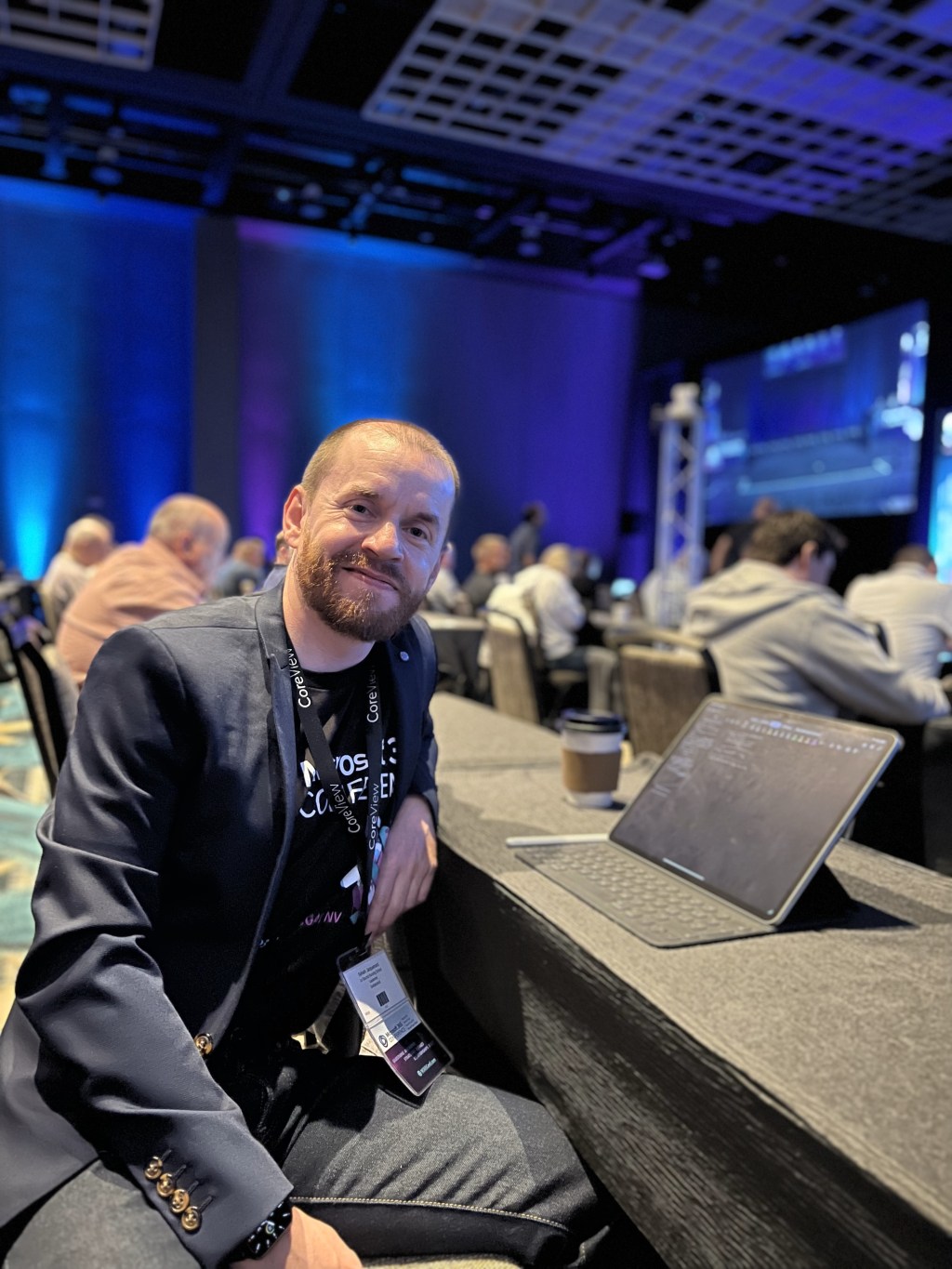
I have been thinking about writing this post for quite a long time. If you’ve read the “About” section of this blog, know me from LinkedIn, or in real life 😂, you know that I’m the CIO of a Nursing School (Higher Education) in Lausanne, Switzerland. My school has 180 employees and 1500 students, so I like to say I’m kind of a CIO of a small to medium-sized company. So, what does my daily routine at work look like?
There is No Routine
Being a CIO of a team of 10 people means you can’t just be a CIO. You are responsible for all the services the IT Team provides to your company. You need to be a team manager, but in my case, and I know a lot of CIOs in companies comparable in size to mine, you also need to have technical skills. Half of my team is dedicated to technical support, so they rarely lead projects or have time to research new services or improve the existing ones for our school. So, guess what? The CIO takes on this part. Don’t get me wrong, I like to keep up with the technical aspects, and for me, looking for new solutions is sometimes a creative process that I enjoy.
Now, let’s detail all the responsibilities and actions I cover as a CIO:
Team Management
Managing a team of IT professionals is not just a responsibility; it’s a passion of mine. I thrive on nurturing and developing my team, empowering each member to grow in their expertise. At the heart of my work is a deep conviction in the importance of our mission and the impact we make on our school. Beyond overseeing daily tasks, I dedicate myself to mentoring, ensuring everyone has the resources they need, and fostering a collaborative and productive environment. This commitment translates into countless one-on-one meetings, team gatherings, and handling HR tasks such as hiring, training, and performance reviews. Each interaction is an opportunity to strengthen our team’s capabilities and reaffirm our dedication to serving our institution.
IT Strategy
As a CIO, collaborating closely with the school’s leadership is essential to me. Developing and implementing an IT strategy isn’t just about technology; it’s about giving purpose and coherence to the services we provide. By aligning our IT strategy with the school’s overarching goals, we ensure that every initiative we undertake serves to simplify and amplify the work of all stakeholders. This process involves long-term planning, setting clear objectives, and defining innovative initiatives that propel our IT efforts forward. It’s a delicate balance between maintaining the functionality of current systems and embracing new technologies that will shape the future of education at our institution.
Budget Management
Managing the IT budget is another critical aspect of my role. This includes planning for both operational and capital expenditures, ensuring we stay within budget while meeting the needs of the school. It requires a keen eye for detail and a strategic mindset to make sure every dollar spent contributes to our mission.
New Trends and Innovation
Remaining at the forefront of technological advancements is paramount. I actively invest time in researching emerging trends and innovations within the IT landscape, assessing how they could potentially benefit our institution. This commitment includes actively participating in conferences, where I engage with industry leaders, exchange insights, and explore cutting-edge solutions. Networking with professionals outside our immediate environment broadens our perspective and enhances our ability to innovate. By staying proactive rather than reactive to technological shifts, we position ourselves to leverage new opportunities that drive efficiency and excellence across our operations.
Project Management
Leading and managing IT projects is a significant part of my job. This includes everything from system upgrades to implementing new software solutions. Effective project management requires planning, coordination, and communication to ensure projects are completed on time and within scope.
IT Expertise
As a CIO, my role requires a blend of managerial acumen and technical proficiency. My expertise spans across various Microsoft environments, particularly Microsoft 365, which plays a pivotal role in our institution’s digital infrastructure. This deep understanding enables me to make informed decisions, address technical challenges promptly, and guide my team effectively.
From overseeing system integrations to optimizing cloud solutions, my technical knowledge facilitates seamless operations and supports our strategic initiatives. Whether troubleshooting complex issues or planning for future upgrades, I bridge the gap between technical intricacies and organizational objectives.
Moreover, my proficiency extends beyond technical execution to include strategic planning and innovation. I continuously evaluate emerging technologies and industry trends, leveraging Microsoft’s ecosystem to enhance collaboration, productivity, and security across our school.
By integrating robust Microsoft solutions within our IT framework, we not only streamline operations but also empower our faculty, staff, and students with tools that foster innovation and academic excellence. This holistic approach reinforces our commitment to delivering reliable, scalable, and cutting-edge IT services that drive the success of our institution.
Communication for the Service
Clear and effective communication is key to the success of any IT department. I ensure that there is a transparent line of communication between the IT team and the rest of the organization. This involves regular updates, managing expectations, and ensuring that the IT services we provide align with the needs of the school.
Building Strong Networks and Long-Term Partnerships
In my role as a CIO, building strong networks and fostering long-term partnerships is not just beneficial—it’s crucial. By establishing relationships with industry peers, technology providers, and educational institutions, I gain valuable insights into best practices and innovative solutions. These connections also enable collaborative opportunities that enhance our IT capabilities and support the strategic goals of our school. Whether through industry conferences, professional associations, or informal networking events, I actively seek to broaden our network. These partnerships not only enrich our knowledge base but also strengthen our resilience and adaptability in the face of evolving challenges. Investing in these relationships is an investment in the future success of our institution, ensuring we remain at the forefront of technological advancements and educational excellence.
IT Vendors Management
We rely on various external IT vendors for services and solutions. Managing these relationships is crucial to ensure we get the best value and support. This involves negotiating contracts, managing service level agreements, and maintaining good vendor relationships.
Cybersecurity and IT Governance: CIO – CISO Same Battle
In a small to mid-sized organization like ours, the roles of CIO and CISO (Chief Information Security Officer) often converge, highlighting the critical importance of IT security and governance. Securing our IT systems is not just a priority but a continuous commitment. It entails implementing robust technical measures to safeguard against cyber threats, conducting regular vulnerability assessments, and staying vigilant against emerging risks.
On the technical front, my team and I employ state-of-the-art security technologies such as intrusion detection systems, firewalls, and encryption protocols. These measures are complemented by stringent access controls and authentication mechanisms to ensure only authorized personnel can access sensitive data and systems.
Moreover, staying abreast of legal and regulatory requirements is paramount. I maintain a thorough understanding of data protection laws such as GDPR and HIPAA, ensuring our practices align with these frameworks to safeguard personal and sensitive information. Compliance audits and regular reviews are integral to our governance strategy, guaranteeing adherence to industry standards and best practices.
Beyond technical and legal considerations, user awareness and education are fundamental in our security approach. We conduct regular training sessions to educate our staff and students about cyber threats, phishing scams, and safe computing practices. Empowering our users to recognize and report potential security incidents strengthens our overall defense posture.
Ultimately, IT security is a collaborative effort that involves every member of our organization. By fostering a culture of security consciousness and resilience, we mitigate risks and uphold the trust placed in us by our school community and stakeholders.
Conclusion
In conclusion, being a CIO in a small to mid-sized organization like mine involves wearing many hats. It’s a dynamic and challenging role that requires a balance of technical expertise, strategic planning, and strong management skills. Despite the challenges, it’s a role I find incredibly rewarding, especially knowing that my work directly contributes to the success and growth of our school.
If you found this article insightful, I invite you to share it with your network. Together, we can inspire more discussions on the evolving role of technology in education and beyond.
Thank you for reading and for your continued support!


Leave a comment