Introduction
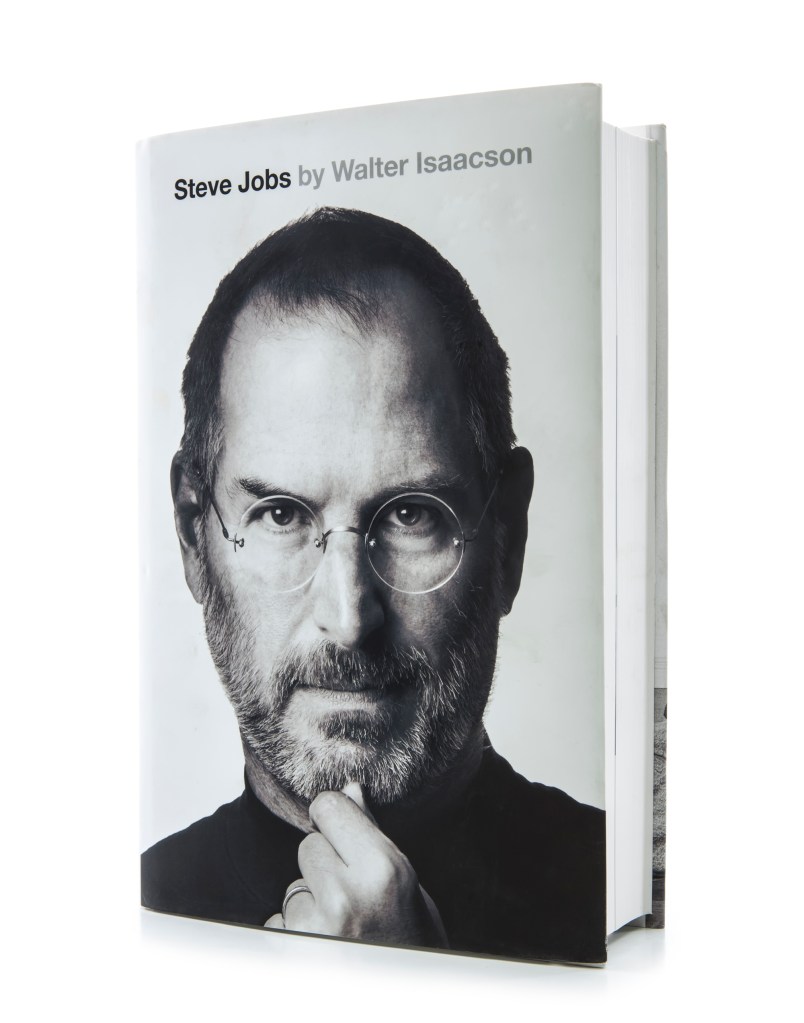
As we navigate the annals of technological innovation, few names stand out as vividly as Steve Jobs. The co-founder of Apple Inc., Jobs was a visionary who forever changed the face of the tech industry. With Apple now once again under the spotlight with their new AR headset, the “Apple Vision Pro,” it feels apt to return to Walter Isaacson’s ‘Steve Jobs.’ This fascinating biography provides an unprecedented glimpse into Jobs’s life and psyche and, perhaps, offers clues to Apple’s unwavering innovative spirit.
Unraveling the Genius
Walter Isaacson, renowned for his biographical works on figures like Albert Einstein and Benjamin Franklin, delves into the world of Steve Jobs with remarkable acuity. Isaacson’s biography is based on over forty interviews with Jobs himself and hundreds of conversations with his family, friends, adversaries, competitors, and colleagues. The result is a well-rounded portrayal of Jobs’s life — from his adoption and early years, through his time at Apple, NeXT, and Pixar, to his final years battling cancer.
An Immersive Reading Experience
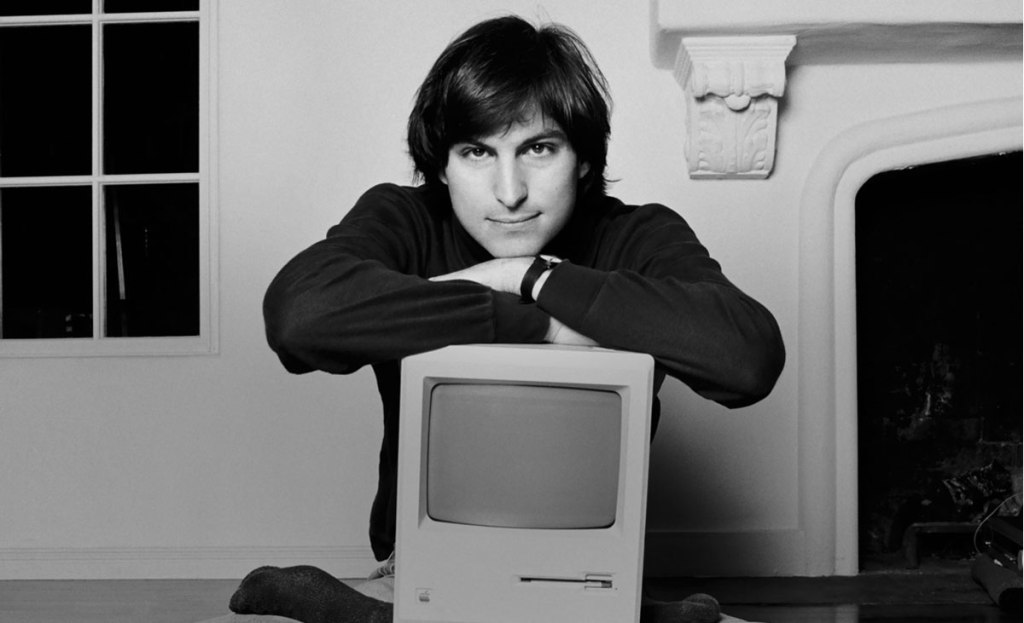
One aspect of Isaacson’s biography that struck me profoundly was its immersive quality. Isaacson weaves such vivid narratives that at times, I felt like I was in the room with Steve Jobs. This sense of immediacy lends the book an extra layer of fascination and makes it a compelling read. Even though I’ve read this book three or four times, I am drawn to return to it again and again.
The Visionary and the Man
Isaacson presents a balanced narrative, capturing the complex dichotomy of Jobs. We see Jobs the relentless perfectionist, whose uncompromising pursuit of excellence echoed in Apple’s revolutionary products. However, Isaacson doesn’t gloss over Jobs’s less savory aspects — his mercurial temperament, often brusque manner, and questionable treatment of others. In capturing these diverse facets, Isaacson reveals Jobs as a figure of brilliance and flaws.
The Power of Aesthetics
One thread that weaves through Jobs’s narrative is his firm belief in the integration of aesthetics and technology. Jobs’s commitment to beauty in simplicity is evident in Apple’s minimalist product design. His experiences in India, study of Zen Buddhism, and love of calligraphy significantly influenced his design philosophy. This enduring aesthetic vision is visible in Apple’s innovative edge, including their latest offering, the “Apple Vision Pro.”
The Unconventional Leader
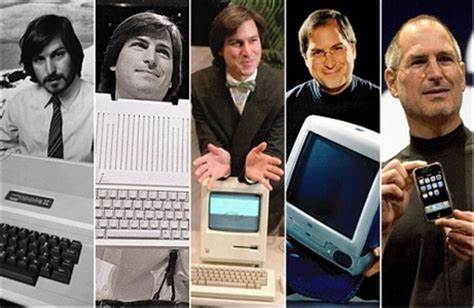
Jobs’s leadership style was as unconventional as the man himself. Isaacson depicts him as a demanding, sometimes unreasonable leader. Jobs’s infamous ‘reality distortion field’ — an intense persuasive force that led people to achieve the seemingly impossible — is presented with engaging clarity. While this drive often led to groundbreaking innovation, it also sparked internal tensions.
Linking Past and Present: The Apple Vision Pro
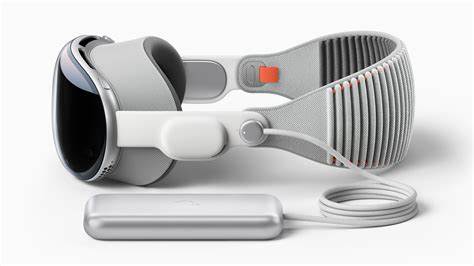
It’s fascinating to revisit ‘Steve Jobs’ by Walter Isaacson in light of Apple’s recent launch of the “Apple Vision Pro.” One can’t help but see Jobs’s influence reverberating in this new product. His emphasis on design excellence, user experience, and boundary-pushing technology are unmistakable in this new AR headset. The design of the Vision Pro is a testament to the attention to detail and desire to exceed expectations that Jobs embodied.
In Conclusion
‘Steve Jobs’ by Walter Isaacson is more than just a biography — it’s an exploration of a man who dared to think differently. Isaacson’s meticulous research, compelling storytelling, and balanced portrayal make it a must-read for anyone interested in Steve Jobs, Apple, or the broader tech industry.
Yet, the book’s greatest strength lies in its refusal to idolize Jobs. Instead, it presents him as he was — a man of stark contrasts. A genius and a taskmaster, a mystic and a businessman, a family man with strained relationships — Steve Jobs was all these and more. It’s a fitting tribute to a man who, like the Vision Pro, consistently went beyond the expectations.
 The Technology, The CIO Life and Me
Leave a comment